Comp Lever House - Adaptive Reuse
Exterior/Facade & Computational Design
The Lever House is an example of High Modernism- designed for a leading American manufacturer, intended to project a new corporate identity. Prism-like, it is a polished, 24 story tower floats above a horizontal podium which in turn is detached from the ground, creating a courtyard at ground level and a roof terrace.
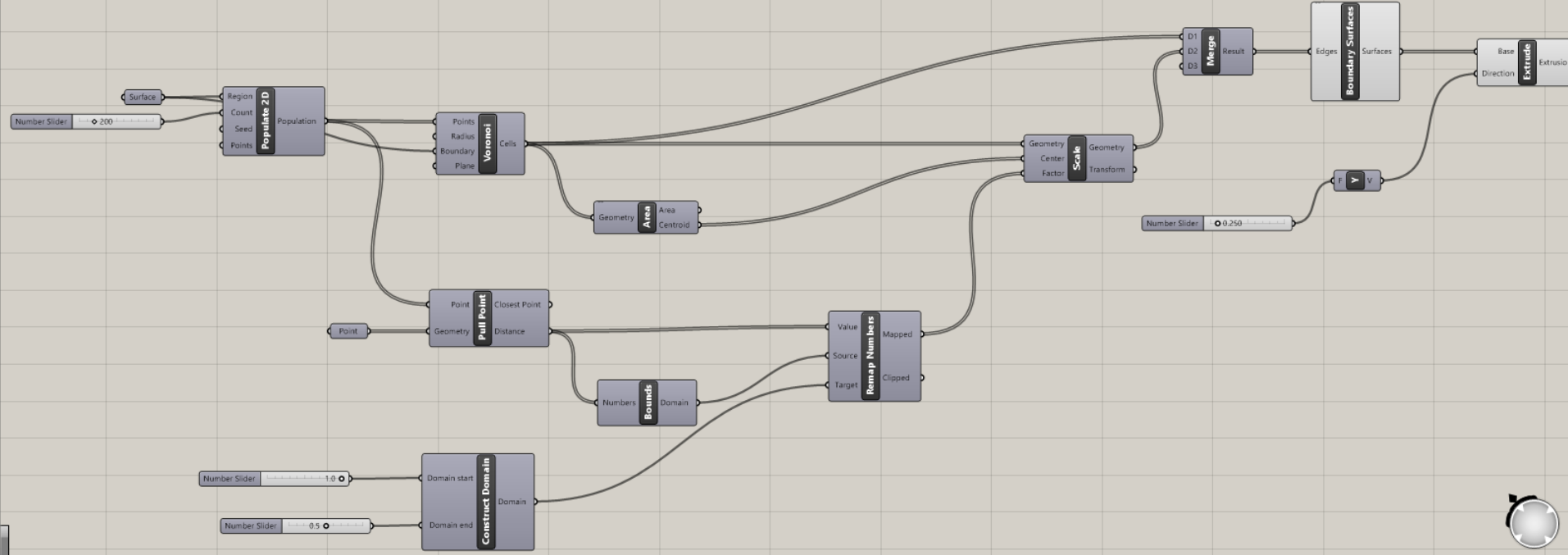
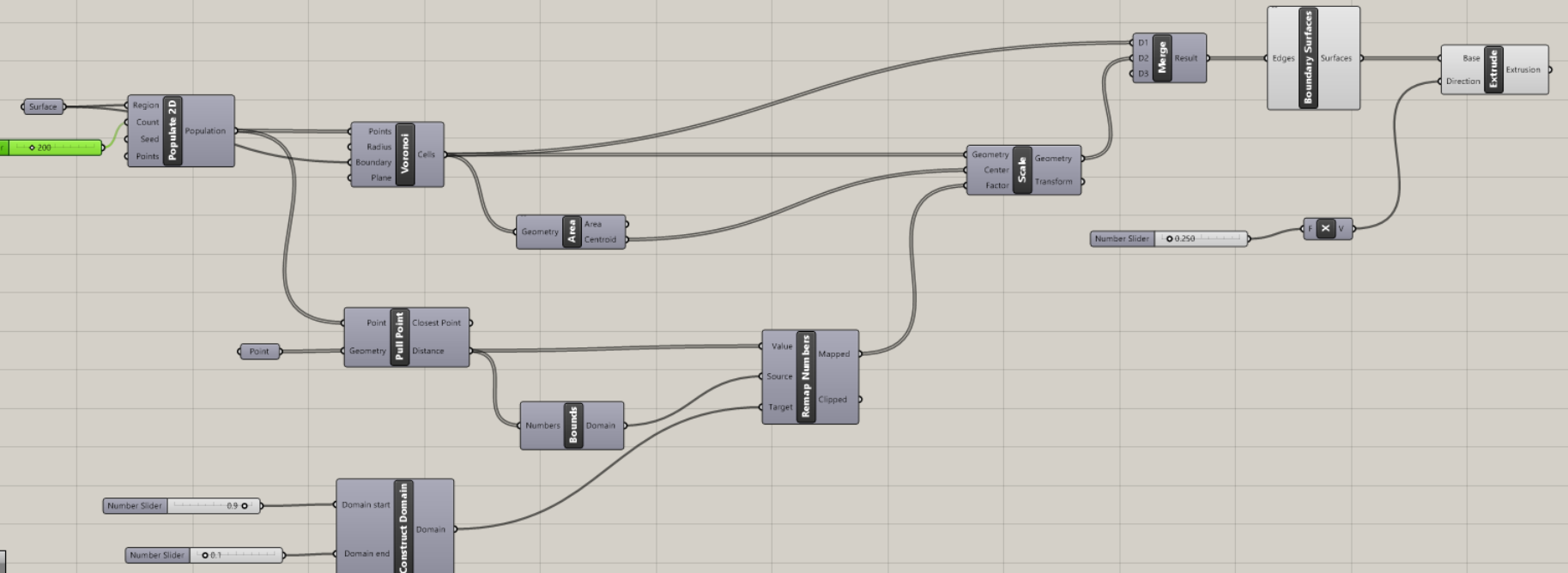
I experimented with parametric facade design to reimagine how the Lever House reacts to daylight and radiation analysis using applications such as Revit, Rhino, Grasshopper and extensions including Ladybug.
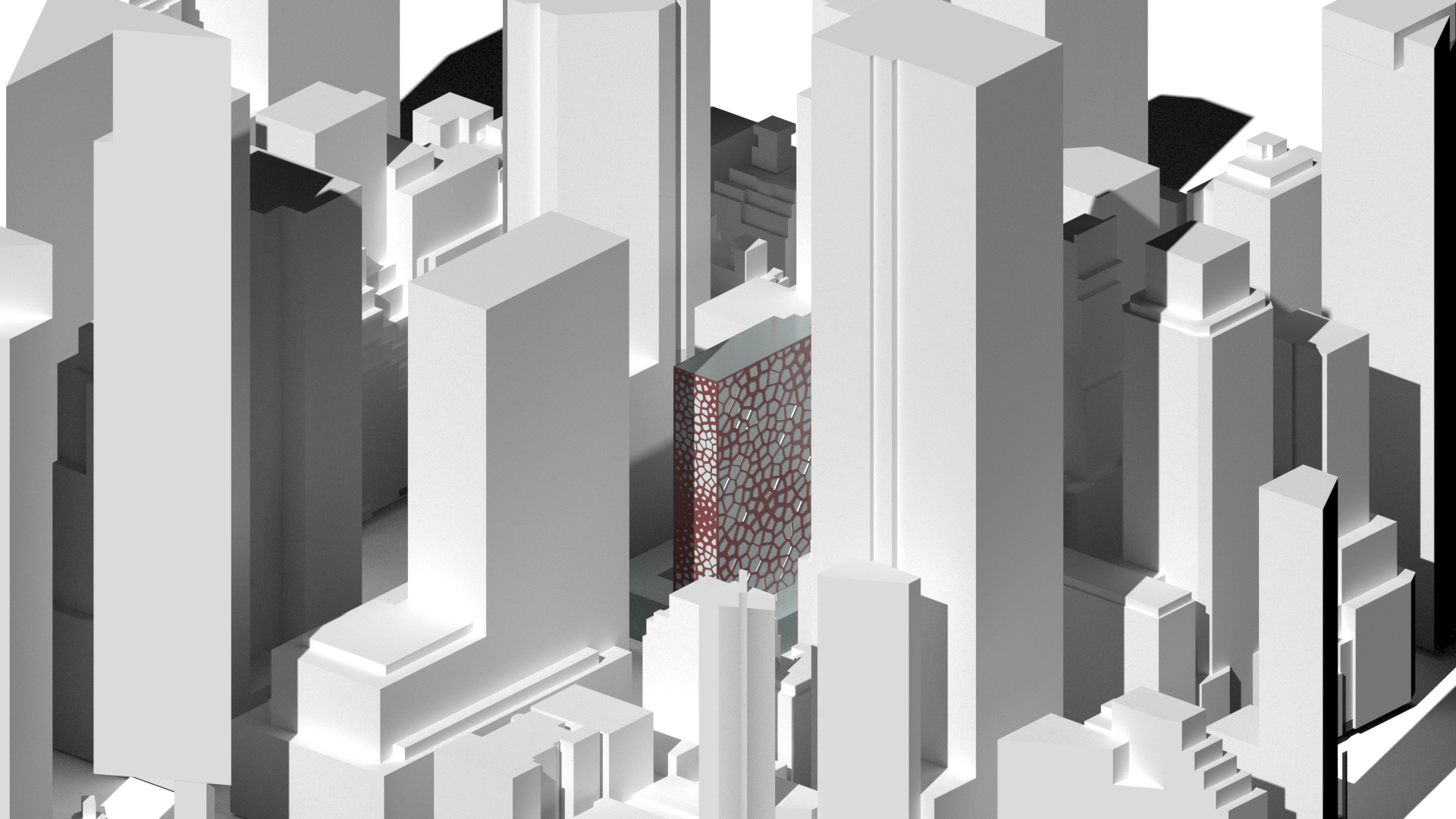
Voronoi Design is a powerful tool in computational design that can be used to create intricate and visually appealing patterns. It is based on the concept of dividing a plane into regions, where each region is closest to a single point within the plane. The boundaries between regions are lines that are equidistant from the two nearest points.
Voronoi diagrams can be used to generate a wide variety of patterns, including those that are organic, adaptive, and visually striking. This makes them well-suited for use in architecture and design, where they can be used to create unique and eye-catching facades.
Lever House is a iconic office building in NYC that was designed by Gordon Bunshaft and completed in 1952. The building is known for its sleek and modern design, which is characterized by its glass curtain wall and its cantilevered roof.
Voronoi design could be used to add a unique and visually interesting element to the Lever House. For example, the Voronoi pattern could be used to create a new facade for the building. The pattern could be used to create a sense of depth and texture, and it could also be used to create a sense of movement and energy.
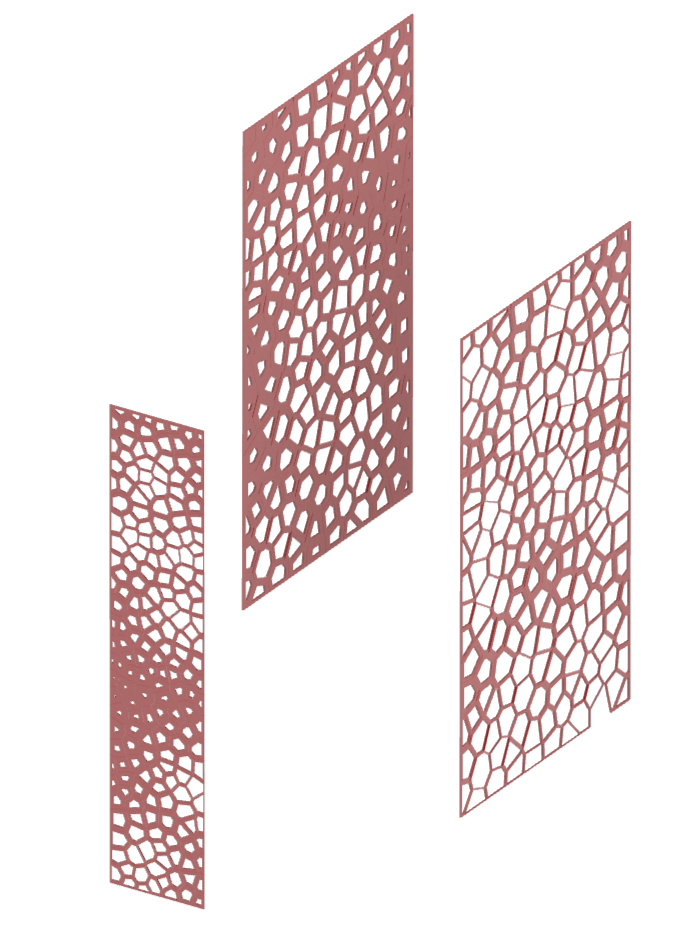
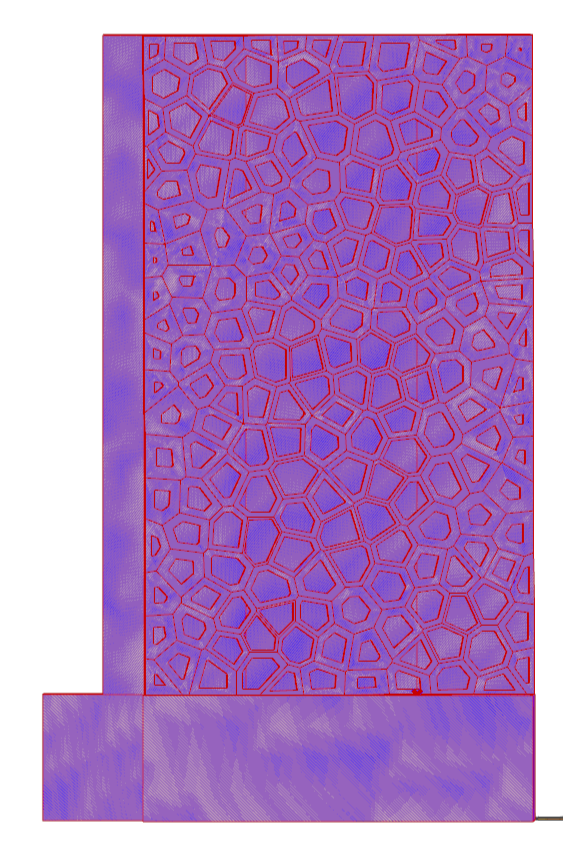
South Facing Facade
Right across another private office building and faces the public terraces so I made the holes smaller for more privacy for tenants.
Eastern Facing Facade
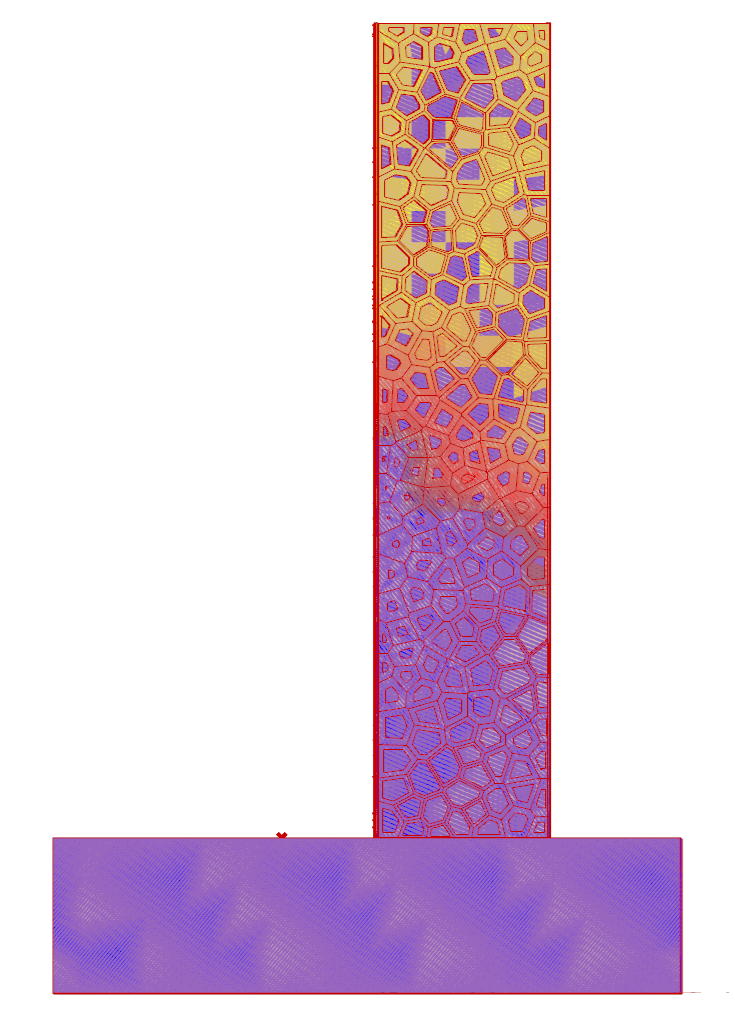
According to Ladybug’s mapping analysis, this side has the best sun access and I opened the facade more to let daylight in.
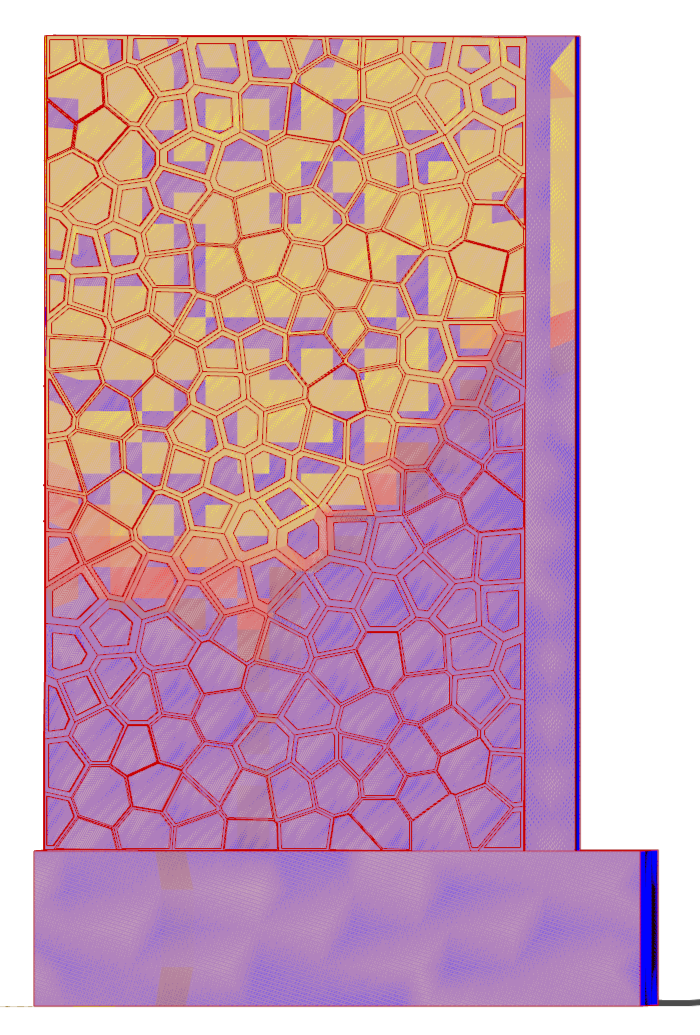
Northern Facing Facade
This side faces shorter buildings but struggles with daylighting so this facade has the largest openings to allow light in.
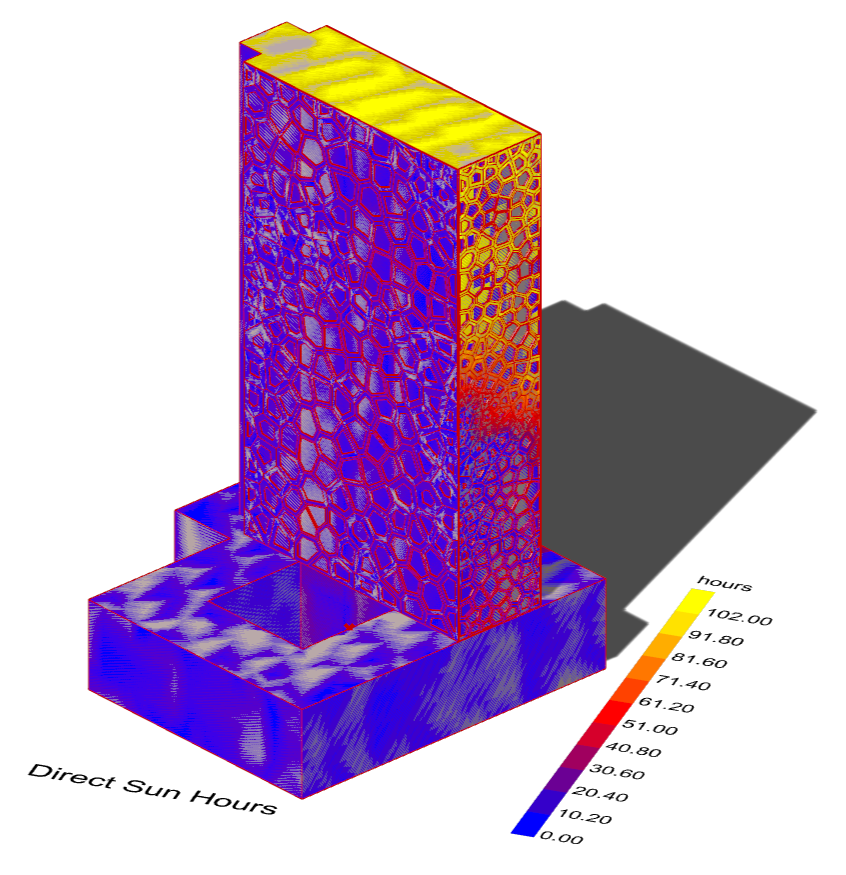
Through computational analysis, I was able to simulate the performance of various Voronoi-based facade designs. By considering factors such as solar angles, building orientation, and interior space requirements, we can identify the optimal configuration. For instance, larger openings can be placed on the north-facing facade to admit more winter sunlight, while smaller, more numerous openings can be used on the south-facing facade to mitigate summer heat gain.
By incorporating Voronoi design into the Lever House's facade, we can achieve a more sustainable and energy-efficient building. Improved daylighting can reduce the need for artificial lighting, leading to lower energy consumption and reduced carbon emissions. Additionally, the unique visual aesthetic of the Voronoi pattern can enhance the building's architectural character and provide occupants with a more stimulating and inspiring workspace.